
Electric Bikes, Scooters and Other Devices: Safety for Riders and Drivers
Electric bikes, scooters, and other small electric devices are becoming a common sight on our streets, trails, and sidewalks. They’re fun, convenient, and good for the environment—but they also come with new safety challenges. The Estes Park Police Department wants to help riders, motorists, and parents understand how to share the road and trails safely in and around Estes Park.
The Estes Park Municipal Code governs the legal uses of "micromobility devices." This term applies to any small, human- or electric-powered transportation solution (e.g., bicycle, e-bike, scooter, segway, skateboard) used for recreational or point-to-point trips within public rights-of-way. It is the responsibility of users to understand and follow these important regulations, which are in place to protect the safety of everyone on the roads and trails. Learn more by reviewing the Estes Park Municipal Code chapter 9.18 - Micromobility Devices.
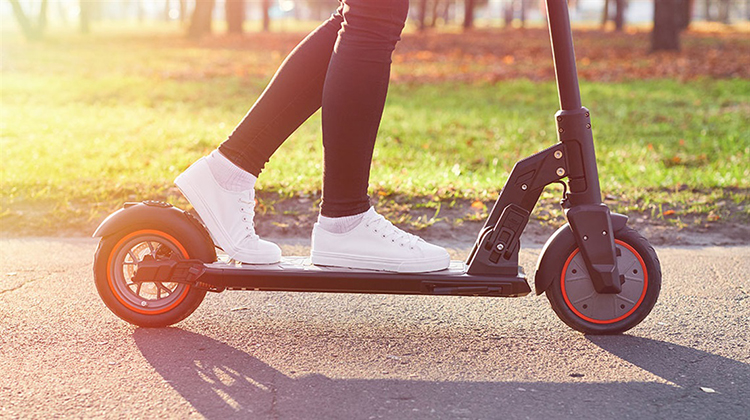
What Counts as an "Electric Micromobility Device?"
On this page, “electric micromobility” includes:
- Electric bicycles (e-bikes)
- Electric scooters (stand-up or sit-down)
- Electric skateboards and longboards
- One-wheels and similar self-balancing devices
- Other small electric devices designed for one person
These devices are usually quieter and faster than traditional bicycles, which means people around you may not hear or expect you.
Laws about where and how these devices can be used vary by jurisdiction. Riders are responsible for knowing and following Colorado state law and local regulations.
No matter what you ride:
- Follow the rules of the road.
- Obey stop signs, traffic lights, and yield signs.
- Ride in the same direction as traffic, not against it.
- Ride where you’re allowed.
- Use bike lanes, shoulders, and designated paths where available.
- Follow posted signs for trails, sidewalks, and parks.
- Control your speed.
- Many devices can reach 20–28 mph or more.
- Slow down in crowded areas, on blind curves, and on hills.
- Stay predictable.
- Ride in a straight line.
- Signal turns when possible.
- Avoid weaving between parked or moving vehicles.
- Stay sober and focused.
- Do not ride under the influence of alcohol or drugs.
- Avoid using phones, texting, or wearing headphones/earbuds while riding.
- Protect Your Head
- Wear a properly fitted helmet every ride, every time.
- Fasten the strap so it’s snug under your chin.
- Replace helmets that have been in a crash or are visibly damaged.
- Be Seen, Be Heard
- Use front (white) and rear (red) lights from dusk to dawn and in low visibility.
- Add reflective tape or clothing on your bike, scooter, backpack, or helmet.
- Use a bell or your voice (“On your left!”) when passing pedestrians or other riders.
- Watch Your Speed and Stopping Distance - Electric devices are heavier and faster than traditional bikes:
- Slow down before turns and intersections.
- Leave extra space to stop, especially downhill.
- Be prepared for vehicles pulling out of driveways or side streets.
- Share Paths and Trails - On multi-use paths:
- Keep right except to pass.
- Give a clear audible signal before passing.
- Pass with plenty of room and return to the right.
- Slow down around families, pets, and anyone who appears unsteady.
- Check Your Ride Before You Go - Do a quick pre-ride check:
- Brakes: Work smoothly and firmly.
- Tires: Inflated, no obvious damage.
- Battery and cables: Secure, no loose wires.
- Lights and reflectors: Present and working.
- Helmet: With you and properly fitted.
Motorists play a huge role in keeping riders safe. E-bikes and e-scooters are smaller, quieter, and often faster than traditional bicycles.
- Expect Them to Be Fast
- Many e-bikes and scooters can travel 20–28 mph or more.
- Don’t assume a rider is moving slowly when you are turning across their path or pulling out of a driveway.
- Give Space When Passing
- Slow down and give riders plenty of room—at least a full lane when possible.
- Change lanes to pass instead of “squeezing by” in the same lane.
- Never honk your horn right next to a rider unless it’s to avoid an immediate collision.
- Look Twice at Intersections and Driveways
- Check bike lanes and shoulders before turning right.
- Look for riders coming straight through the intersection before turning left.
- Enter roadways and parking lots slowly and cautiously.
- Eliminate Distractions
- Put down your phone and avoid any activity that takes your eyes or mind off the road.
- A moment of inattention can have serious consequences for someone on a small electric device.
The person on that e-bike or scooter could be your neighbor, coworker, or family member. Drive like their safety depends on you—because it does.
Electric bikes and scooters often appeal to teens and older children. They can provide independence—but they also travel at traffic speeds. Parents should:
- Set clear rules for helmet use, where riding is allowed, and how far from home kids may go.
- Review traffic laws with your child—don’t assume they understand them.
- Choose appropriate equipment for your child’s size, skill, and maturity.
- Talk about distraction and peer pressure, including using phones while riding or showing off for friends.
- Consider riding together at first to model good habits and check their skills.
Depending on local rules, some electric devices may be allowed on sidewalks or certain trails; others may not.
Regardless of the rules where you ride:
- Pedestrians always come first. Slow down and yield.
- Announce yourself when approaching from behind.
- Be patient in crowded areas. Walk your device if necessary.
- Respect posted signs. Some paths or natural areas may restrict or prohibit electric devices to protect safety or the environment.
- Park devices in a way that does not block sidewalks, ramps, or doorways.
- Use racks or designated areas when available.
- Follow manufacturer instructions for charging batteries.
- Charge on a stable surface away from flammable materials.
- Do not use damaged chargers or batteries, and don’t modify electrical components.
Quick Do and Don't List
Riders – Do
- Wear a helmet.
- Follow traffic signals and signs.
- Use lights and reflective gear.
- Ride predictably and signal turns.
- Slow down at intersections and around pedestrians.
Riders – Don't
- Ride against traffic.
- Weave between moving vehicles.
- Ride while impaired or distracted.
- Assume drivers see you.
Drivers – Do
- Look for e-bikes and scooters in bike lanes, shoulders, and crosswalks.
- Give riders extra space when passing.
- Check mirrors and blind spots carefully before turning or changing lanes.
Drivers – Don't
- Pass too closely or at high speed.
- Turn across the path of a rider without enough time and distance.
- Drive distracted or impaired.
Working Together for a Safer Community
Electric bikes, scooters, and other small devices are here to stay. When riders follow the rules, motorists drive with care, and parents stay involved, we reduce crashes and injuries for everyone.
If you have questions about local laws or safe riding practices, please contact: